Gaming Photography: Capturing Gaming Moments and Setups
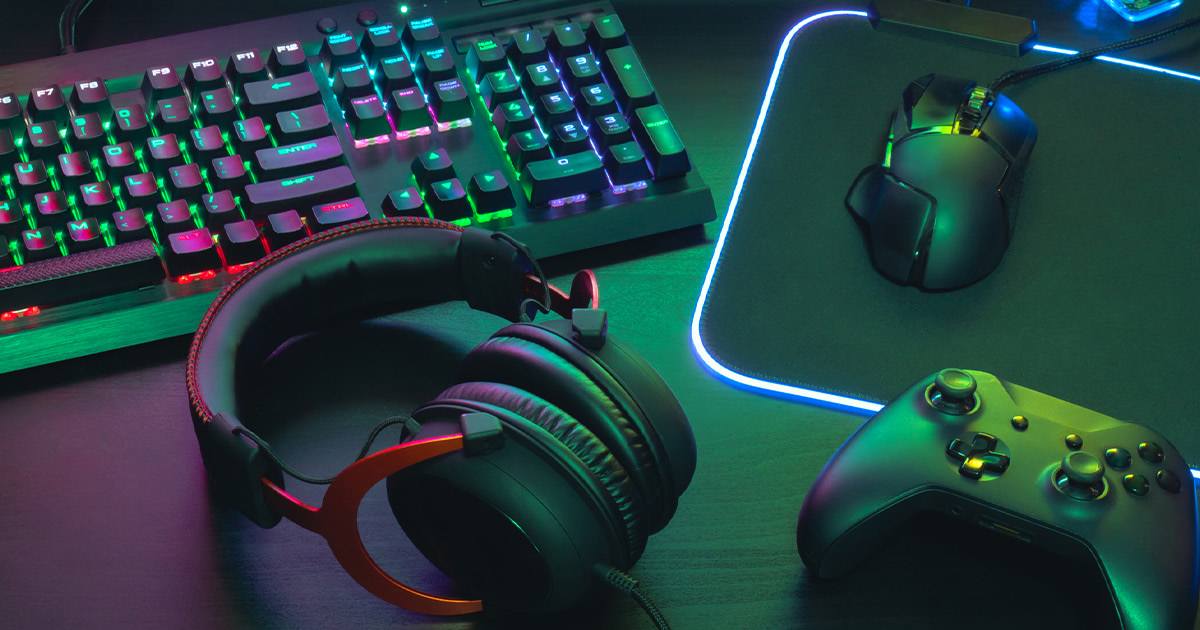
Ever tried to capture that perfect gaming moment, only to end up with a blurry mess or a photo that just doesn't do justice to the epic scene on your screen? We've all been there, struggling to immortalize our virtual victories and stunning gaming setups.
The reality is, getting great photos of your gaming moments and setups can be surprisingly tricky. Between screen glare, fast-moving action, and the challenge of showcasing the atmosphere of your gaming space, it's easy to feel like you're missing something. You want to share your passion, your achievements, and the sheer beauty of the games you love, but the photos just aren't cutting it.
This guide is for gamers who want to level up their photography skills and capture stunning visuals of their gaming experiences. Whether you're aiming to share epic wins, showcase your meticulously crafted setup, or simply preserve those unforgettable moments, we'll provide the tips and tricks you need to take your gaming photography to the next level.
We've covered everything from understanding the basics of photography to exploring advanced techniques tailored for gaming. We'll dive into capturing dynamic in-game action, showcasing your gaming setup, and even explore the creative possibilities of gaming photography. Get ready to transform your gaming memories into stunning visuals that you'll be proud to share.
Understanding the Basics of Photography for Gaming
I remember when I first tried to photograph my gaming setup. I had just built a brand new PC, complete with RGB lighting and all the bells and whistles. I was so proud of it, and I wanted to share it with my friends online. I pulled out my phone, snapped a few pictures, and... they looked terrible. The lighting was off, the colors were washed out, and the whole thing just looked underwhelming. That's when I realized that there's more to photography than just pointing and shooting. To really capture the essence of your gaming experience, you need to understand the fundamentals of photography: aperture, shutter speed, ISO, and white balance. These elements work together to determine the exposure and overall look of your photos. Mastering them can transform your gaming photography from snapshots to works of art. Understanding composition, like the rule of thirds, can also help you create visually appealing images. Furthermore, don't forget about the importance of lighting. Natural light is usually best, but if you're shooting indoors, you'll need to use artificial lighting to create the right mood. Soft lighting is generally more flattering than harsh lighting, so try to diffuse your light source if possible.
Capturing Dynamic In-Game Action
Capturing in-game action is all about freezing those split-second moments of excitement and intensity. It's about showing the thrill of victory, the agony of defeat, and everything in between. But how do you translate that feeling into a photograph? The key is to understand your game and anticipate the action. Knowing when a big moment is about to happen will give you a head start. Then, you need to adjust your camera settings accordingly. A fast shutter speed is essential for freezing motion, so don't be afraid to crank it up. You may also need to increase your ISO to compensate for the lower light levels. Experiment with different angles and perspectives to find the most dynamic shot. Sometimes, a low angle can make a character look more powerful, while a high angle can give a sense of scale. And don't forget about composition. Use the rule of thirds to create a balanced and visually appealing image. Finally, be patient. It may take several attempts to capture the perfect shot, but the results will be worth it.
The History and Myth of Gaming Photography
Gaming photography, in a formal sense, is a relatively new phenomenon, largely driven by the rise of social media and the desire to share our gaming experiences with the world. However, the impulse to capture and celebrate gaming moments has been around for much longer. Think back to the early days of arcades, where people would gather to watch skilled players dominate the leaderboards. Those moments were often etched in memory, but lacked the means of immediate capture and sharing we have today. Now, gaming photography has evolved into a legitimate art form, with dedicated communities and competitions. There's a myth that gaming photography is only about taking screenshots, but it's much more than that. It's about using your creativity and technical skills to tell a story, to capture the emotion and excitement of gaming. It's about showcasing the beauty and artistry of the games themselves. And it's about connecting with other gamers through a shared passion.
The Hidden Secrets of Gaming Photography
One of the biggest secrets in gaming photography is that post-processing can make all the difference. Even the best photos can benefit from a little tweaking in editing software. Adjusting the colors, contrast, and sharpness can bring out the details and make your images pop. Another secret is to use the game's built-in photo mode, if it has one. Many modern games have sophisticated photo modes that allow you to adjust the camera angle, focus, and other settings to create stunning shots. These modes often include filters and other effects that can further enhance your images. Don't be afraid to experiment with different settings and see what you can create. Beyond technical skills, the real hidden secret is understanding the game you're photographing. Knowing the lore, the characters, and the key moments will allow you to anticipate the best shots and capture the essence of the game. It's about more than just taking pretty pictures; it's about telling a story.
Recommendations for Gaming Photography Equipment
While you can certainly take great gaming photos with your smartphone, investing in some dedicated equipment can take your photography to the next level. A DSLR or mirrorless camera will give you more control over your settings and allow you to capture higher-quality images. A good lens is also essential. A wide-angle lens is great for capturing your entire gaming setup, while a telephoto lens is useful for capturing close-up shots of in-game action. A tripod is a must-have for steady shots, especially in low-light conditions. And don't forget about lighting. A good desk lamp or a softbox can make a big difference in the overall look of your photos. Ultimately, the best equipment is the equipment that you're comfortable using and that meets your specific needs. Start with the basics and then add more gear as you progress. Remember that the most important thing is to have fun and experiment with different techniques.
Choosing the Right Camera and Lens
When selecting a camera for gaming photography, consider factors such as sensor size, low-light performance, and lens compatibility. A full-frame sensor will generally produce better image quality, especially in low light, but it will also be more expensive. A crop sensor camera is a more affordable option that still offers excellent performance. As for lenses, a versatile zoom lens can be a good starting point, allowing you to capture both wide-angle shots of your setup and close-up shots of in-game action. However, prime lenses, which have a fixed focal length, often offer better image quality and wider apertures, making them ideal for low-light photography. Experiment with different lenses to find the ones that best suit your style and the types of games you like to photograph. Read reviews and compare specs before making a purchase. And don't be afraid to buy used equipment to save money. A well-maintained used camera or lens can be just as good as a new one.
Tips and Tricks for Stunning Gaming Setups
Showcasing your gaming setup is about more than just taking a picture of your desk. It's about creating a visually appealing and inviting space that reflects your personality and style. Start by decluttering your desk and organizing your cables. A clean and tidy setup will look much better in photos. Then, pay attention to the lighting. Soft, diffused lighting is generally more flattering than harsh, direct lighting. Use lamps or LED strips to create a warm and inviting atmosphere. Experiment with different angles and perspectives to find the most visually interesting shot. A wide-angle lens can be great for capturing the entire setup, while a close-up shot can highlight specific details, such as your keyboard or mouse. Consider adding some personal touches to your setup, such as plants, artwork, or figurines. These elements can add character and make your setup more unique.
Mastering Lighting for Gaming Photography
Lighting is crucial in photography, and gaming photography is no exception. Understanding how light interacts with your subject can dramatically improve your images. When photographing your gaming setup, avoid harsh overhead lighting, which can create unflattering shadows. Instead, opt for soft, diffused lighting that is evenly distributed across the scene. You can achieve this by using lamps with soft white bulbs, LED strips placed behind your monitor, or even natural light from a window. Experiment with different lighting setups to see what works best for your space. For in-game photography, pay attention to the game's lighting and try to capture moments where the light is particularly striking. Some games have dynamic lighting systems that create stunning visual effects. Use these to your advantage. Also, consider using a reflector to bounce light back onto your subject, filling in shadows and creating a more balanced exposure. Reflectors are inexpensive and easy to use, and they can make a big difference in the overall look of your photos.
Fun Facts About Gaming Photography
Did you know that some professional gaming photographers earn a living by capturing in-game moments for game developers and esports organizations? They travel the world, attending tournaments and capturing the excitement of competitive gaming. Another fun fact is that the rise of gaming photography has led to the development of specialized software and tools for capturing and editing in-game images. These tools allow you to easily capture high-resolution screenshots, apply filters, and share your creations with the world. Gaming photography is also a great way to connect with other gamers. Sharing your photos on social media can lead to new friendships and collaborations. And who knows, you might even inspire someone else to pick up a camera and start exploring the world of gaming photography.
How to Share Your Gaming Photography
Once you've captured some stunning gaming photos, it's time to share them with the world. Social media is a great place to start. Platforms like Instagram, Twitter, and Facebook are ideal for sharing your photos and connecting with other gamers. Use relevant hashtags to increase the visibility of your posts. Consider creating a dedicated Instagram account for your gaming photography. This will allow you to build a following and showcase your best work. You can also share your photos on gaming forums and communities. These platforms are a great way to get feedback on your work and connect with other gamers who share your passion. Another option is to create a portfolio website to showcase your best photos. This is a great way to present your work in a professional manner and attract potential clients. Finally, don't be afraid to enter your photos in competitions and contests. This is a great way to get recognition for your work and potentially win prizes.
What If Gaming Photography Disappeared?
Imagine a world without gaming photography. No more stunning screenshots of breathtaking landscapes, no more epic action shots of intense battles, and no more beautifully curated gaming setups. The gaming community would lose a vital form of self-expression and connection. Game developers would miss out on valuable user-generated content that showcases their games in new and creative ways. Esports organizations would struggle to capture the excitement and drama of competitive gaming. The gaming world would simply be a less visually rich and engaging place. Gaming photography has become an integral part of the gaming culture, and its absence would be felt by gamers, developers, and fans alike. It allows us to share our experiences, celebrate our achievements, and connect with others who share our passion for gaming. It's a powerful tool for storytelling and community building.
Listicle: Top 5 Gaming Photography Mistakes to Avoid
1. Ignoring Lighting: Poor lighting can ruin even the best photos. Make sure your gaming setup is well-lit and avoid harsh overhead lighting.
2. Not Cleaning Your Setup: A cluttered and messy setup will distract from your photos. Take the time to declutter and organize your cables.
3. Using Low-Quality Images: Make sure you're capturing high-resolution images that are sharp and detailed.
4. Not Editing Your Photos: A little post-processing can go a long way. Adjust the colors, contrast, and sharpness to enhance your images.
5. Not Sharing Your Work: Don't be afraid to share your photos with the world. Social media is a great way to connect with other gamers and get feedback on your work.
Question and Answer
Q: What equipment do I need to start gaming photography?
A: You can start with your smartphone, but a DSLR or mirrorless camera with a versatile lens will give you more control and better image quality.
Q: How can I improve the lighting in my gaming photos?
A: Use soft, diffused lighting instead of harsh overhead lighting. Lamps, LED strips, and natural light can all be used to create a more flattering atmosphere.
Q: What are some tips for capturing dynamic in-game action?
A: Use a fast shutter speed to freeze motion, anticipate the action, and experiment with different angles and perspectives.
Q: Where can I share my gaming photography?
A: Social media platforms like Instagram, Twitter, and Facebook are great for sharing your photos and connecting with other gamers.
Conclusion of Gaming Photography: Capturing Gaming Moments and Setups
Gaming photography offers a fantastic way to express your passion for gaming, share your experiences, and connect with a wider community. By understanding the basics of photography, mastering the techniques for capturing dynamic action and showcasing your setup, and exploring the creative possibilities of the medium, you can elevate your gaming photography and create stunning visuals that you'll be proud to share. Remember to experiment, have fun, and never stop learning. The world of gaming photography is constantly evolving, and there's always something new to discover. Now go forth and capture those epic gaming moments!
Post a Comment