Gaming Community Management: Managing Gaming Community Platforms
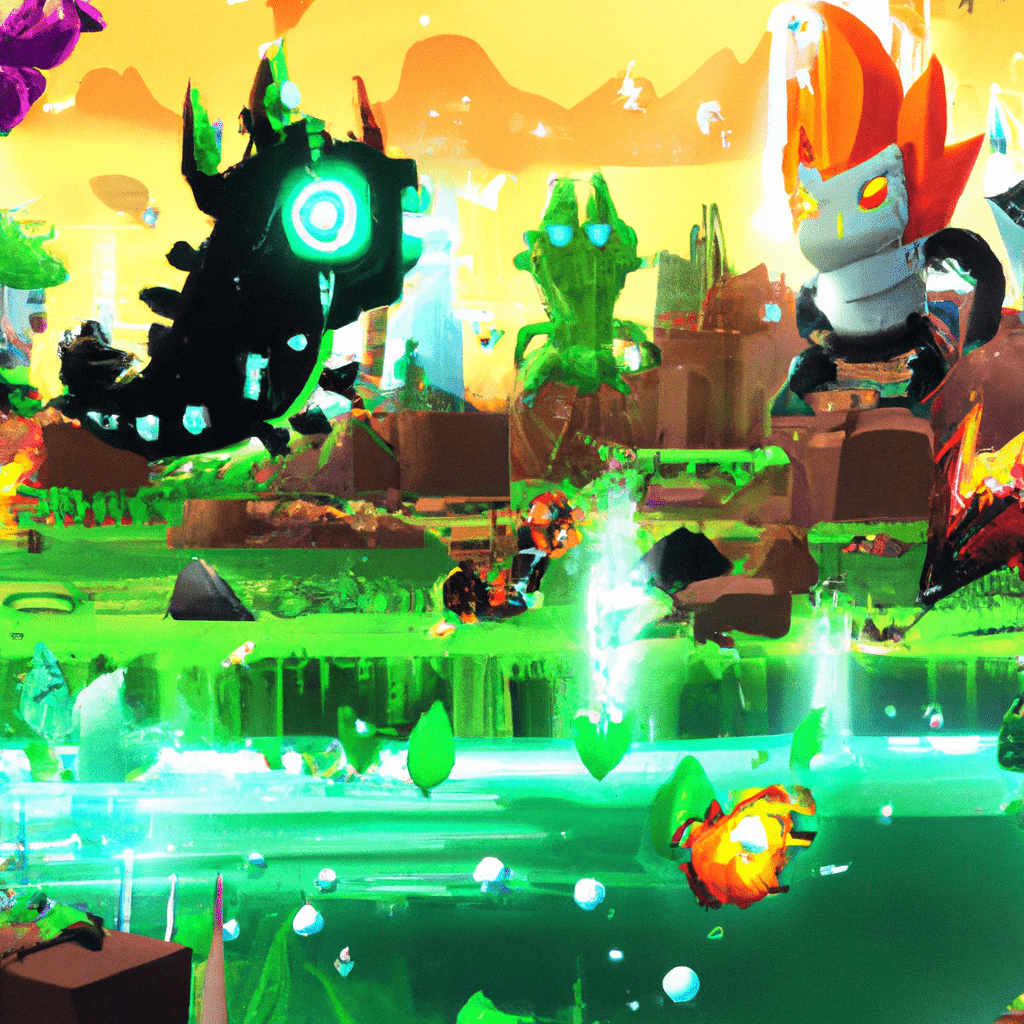
Ever feel like herding cats, but those cats are passionate gamers with very strong opinions? You're not alone. Managing gaming communities is a wild ride, full of epic wins and the occasional rage quit. But get it right, and you'll unlock a level of player engagement you never thought possible.
The challenge is real. Keeping everyone happy while maintaining order, fostering positive interactions, and actually growing the community can feel like an impossible task. Trying to juggle multiple platforms, understand the nuances of different game genres, and stay ahead of the latest trends? It's enough to make anyone reach for the energy drinks.
This article is your guide to conquering the complexities of gaming community management. We'll explore the strategies, tools, and mindsets you need to build thriving, engaged communities around your favorite games.
From understanding platform-specific strategies to navigating tricky situations and celebrating community wins, we've got you covered. This exploration into gaming community management will arm you with the insights to manage gaming platforms effectively, foster positive interactions, and cultivate a loyal following. Consider this your ultimate resource for creating engaging, thriving gaming communities.
The Importance of Platform Choice
Choosing the right platform is the foundation of effective community management. I remember launching a community forum for a mobile strategy game a few years back, assuming everyone would flock to it. We spent weeks designing the perfect layout, creating moderation guidelines, and prepping content. Crickets. Turns out, our target audience was already deeply embedded in Discord servers dedicated to the game genre and Reddit threads discussing specific strategies. We were essentially building a ghost town. This experience taught me a valuable lesson: understand where your audiencealready isbefore investing in a platform. Do they prefer the real-time interaction of Discord? The long-form discussions of Reddit? Or the visual focus of Twitch? Each platform has its own culture and strengths. Discord is fantastic for quick questions, voice chats, and building intimate subgroups. Reddit thrives on curated content, in-depth analysis, and community-driven moderation. Twitch is perfect for live streams, showcasing gameplay, and fostering a sense of shared experience. The key is to align your platform choice with the community's preferences and the type of engagement you want to encourage. Consider your game's genre, target demographic, and the kind of content you plan to share. Don't be afraid to experiment and gather feedback to find the perfect fit. A well-chosen platform will not only attract more members but also make your job as a community manager significantly easier.
Understanding Your Audience
Understanding your audience goes beyond just knowing their age or where they live. It's about diving deep into their motivations, preferences, and behaviors within the gaming world. What kind of games do they enjoy besides yours? What are their favorite streamers or content creators? What type of content resonates with them most? Are they competitive players seeking tips and strategies, or casual gamers looking for social interaction and fun? Creating detailed player personas can be incredibly helpful. These personas are fictional representations of your ideal community members, based on research and data. Give them names, backgrounds, and specific interests. This will help you empathize with your audience and tailor your content and communication style accordingly. For example, you might have a "Competitive Carl" persona who is highly active in the game's ranked mode and seeks out advanced tactics. Or you might have a "Social Sally" persona who primarily enjoys playing with friends and participating in community events. Understanding these different segments within your community will allow you to create content that caters to their specific needs and interests, fostering a stronger sense of belonging and engagement.
The Evolution of Gaming Communities
The history of gaming communities is a fascinating journey from niche forums to sprawling social networks. Back in the day, it was all about dial-up modems and text-based bulletin boards. Players would gather in these digital spaces to share tips, organize matches, and build friendships. These early communities were often small and tight-knit, fostering a strong sense of camaraderie. As the internet evolved, so did gaming communities. Dedicated forums became more sophisticated, offering features like image hosting, user profiles, and moderation tools. The rise of massively multiplayer online games (MMORPGs) like Ultima Online and Ever Quest further fueled the growth of online communities, as players formed guilds and clans to conquer virtual worlds together. The myth of the solitary gamer was shattered, replaced by a vibrant ecosystem of collaboration and competition. Today, gaming communities are more diverse and accessible than ever before. Platforms like Discord, Twitch, and You Tube have democratized content creation and communication, allowing anyone to connect with players from around the world. The challenge for community managers is to navigate this complex landscape and create spaces that are welcoming, engaging, and safe for all members.
Secrets to Effective Moderation
Effective moderation is the unsung hero of any successful gaming community. It's not just about banning trolls and deleting spam; it's about creating a welcoming and inclusive environment where everyone feels safe and respected. One often-overlooked secret is the importance of proactive moderation. Instead of simply reacting to rule violations, community managers should actively promote positive behavior and foster a culture of respect. This can involve highlighting exemplary community members, hosting positive challenges and contests, and leading by example with your own communication style. Another key is to establish clear and concise community guidelines. These guidelines should outline acceptable and unacceptable behavior, as well as the consequences for violating the rules. Make sure the guidelines are easily accessible and prominently displayed on all community platforms. Transparency is also crucial. When enforcing the rules, explain your reasoning and be open to feedback. This will help build trust with the community and demonstrate that you are committed to fairness and impartiality. Finally, don't be afraid to enlist the help of volunteer moderators. These trusted community members can assist with monitoring conversations, flagging inappropriate content, and providing support to other members.
Recommended Tools and Resources
Managing a gaming community effectively requires the right tools and resources. Fortunately, there are a plethora of options available to streamline your workflow and enhance your community engagement. For communication and collaboration, Discord remains the undisputed king. Its customizable servers, voice channels, and bot integrations make it an ideal platform for building and managing gaming communities. Consider using bots to automate tasks like welcoming new members, moderating chat, and running contests. For social media management, tools like Hootsuite or Buffer can help you schedule posts, track engagement, and monitor conversations across multiple platforms. These tools can save you valuable time and ensure that you're consistently engaging with your audience. Analytics are also essential for measuring the success of your community management efforts. Google Analytics can provide insights into website traffic, user behavior, and content performance. Social media analytics tools can track engagement metrics like likes, shares, and comments. By analyzing this data, you can identify what's working well and what needs improvement. Finally, don't forget about community feedback tools. Surveys, polls, and feedback forms can help you gather valuable insights from your community members. Use this feedback to inform your content strategy, improve your moderation policies, and make your community a better place for everyone.
The Power of Community Events
Community events are a powerful tool for fostering engagement, building relationships, and creating memorable experiences for your players. These events can range from in-game tournaments and challenges to live streams, Q&A sessions, and even real-world meetups. The key is to create events that are relevant to your audience and aligned with your game's overall goals. In-game tournaments and challenges are a great way to encourage competition and showcase player skill. Consider offering prizes for the winners, such as in-game items, merchandise, or even cash prizes. Live streams are another excellent way to connect with your community in real-time. Host Q&A sessions with developers, showcase gameplay, or simply hang out and chat with your viewers. Real-world meetups can be a fantastic way to build stronger relationships between community members. These events can range from small gatherings at local game stores to large-scale conventions. The most important thing is to create a fun and welcoming atmosphere where everyone feels comfortable. When planning a community event, be sure to promote it well in advance and make it easy for people to participate. Use social media, email newsletters, and in-game announcements to spread the word. And don't forget to follow up after the event to gather feedback and thank everyone for their participation.
Pro Tips for Community Growth
Growing a thriving gaming community is an ongoing process that requires dedication, creativity, and a willingness to experiment. Here are some pro tips to help you attract new members, retain existing ones, and foster a positive and engaged community: Be Authentic: Authenticity is key to building trust and credibility with your audience. Be genuine in your interactions, share your passion for the game, and don't be afraid to show your personality. Engage Regularly: Consistency is crucial. Post regularly on social media, respond to comments and questions, and participate in community discussions. The more you engage, the more likely people are to stick around.Run Contests and Giveaways: Everyone loves free stuff! Run contests and giveaways to generate excitement and reward your loyal community members. Collaborate with Influencers: Partner with streamers, You Tubers, and other influencers to reach a wider audience.Listen to Your Community: Pay attention to feedback from your community members and use it to improve your game and your community management efforts. Create a Welcoming Environment: Make sure your community is a safe and inclusive space for everyone. Enforce your community guidelines and be proactive in addressing any issues that arise.Celebrate Community Achievements:Highlight the accomplishments of your community members, whether it's winning a tournament, creating a cool piece of fan art, or simply being a helpful and supportive member.
By following these tips, you can create a gaming community that is not only large but also engaged, supportive, and passionate about your game.
Leveraging User-Generated Content
User-generated content (UGC) is a goldmine for gaming communities. It's content created by your players, such as fan art, videos, mods, and even just insightful forum posts. Encouraging and showcasing UGC not only provides valuable content for your community but also empowers your players and makes them feel valued. One effective way to encourage UGC is to run contests and challenges. Ask your players to create something related to the game, such as a fan art piece, a funny video, or a helpful guide. Offer prizes for the best submissions, and be sure to showcase the winners prominently. Another way to leverage UGC is to create a dedicated section on your website or forum for player-created content. This can be a gallery for fan art, a video showcase, or a forum for sharing mods and other creations. When showcasing UGC, be sure to give credit to the original creator and link back to their profile or website. This will not only show your appreciation but also help them gain exposure. UGC is a powerful tool for building community, fostering creativity, and providing valuable content. By encouraging and showcasing UGC, you can create a more engaging and vibrant community for your players.
Fun Facts About Gaming Communities
Did you know that the first online gaming community was likely MUD1, a text-based multiplayer game created in 1978? Or that the term "MMORPG" was coined in 1996 to describe games like Ultima Online? Gaming communities have a rich and fascinating history, full of interesting facts and anecdotes. One fun fact is that the world's largest gaming community is estimated to be the League of Legends community, with over 100 million active players. Another fun fact is that gaming communities have been credited with helping to solve real-world problems, such as folding proteins to find cures for diseases. Gaming communities are not just about playing games; they're also about building relationships, sharing knowledge, and making a positive impact on the world. The rise of esports has also had a significant impact on gaming communities. Professional players and teams have their own dedicated fan bases, and esports events attract millions of viewers online and in person. Gaming communities are constantly evolving and adapting to new technologies and trends. From humble beginnings as text-based bulletin boards to sprawling social networks and esports arenas, gaming communities have always been a vital part of the gaming experience.
How to Handle Negative Feedback
Dealing with negative feedback is an inevitable part of managing a gaming community. No matter how hard you try, you'll always encounter players who are unhappy with something. The key is to handle negative feedback constructively and turn it into an opportunity to improve. First, acknowledge the feedback and show that you're listening. Don't ignore negative comments or try to brush them aside. Respond promptly and respectfully, even if you disagree with the feedback. Second, try to understand the root cause of the problem. Ask clarifying questions to get more information and try to see things from the player's perspective. Third, offer a solution or explanation. If the feedback is valid, acknowledge the issue and explain what you're doing to address it. If the feedback is based on a misunderstanding, provide a clear and concise explanation. Fourth, avoid getting defensive or argumentative. It's important to remain professional and respectful, even if you feel like you're being attacked. Fifth, learn from your mistakes. Use negative feedback as an opportunity to identify areas where you can improve your game or your community management practices. Handling negative feedback effectively can be challenging, but it's essential for building trust and credibility with your community.
What If You Could Automate Community Management?
Imagine a world where you could automate many of the tedious tasks associated with community management, freeing up your time to focus on more strategic initiatives. While complete automation is still a distant dream, there are many tools and techniques you can use to streamline your workflow and make your life easier. Chatbots can be used to answer frequently asked questions, moderate chat, and provide support to community members. Social media scheduling tools can help you plan and schedule your posts in advance, ensuring that you're consistently engaging with your audience. Analytics tools can track key metrics like engagement, sentiment, and user behavior, providing valuable insights into your community's health. Automation can also be used to personalize the community experience for individual members. For example, you could use data to recommend relevant content, suggest new friends, or offer personalized rewards. However, it's important to remember that automation is not a replacement for human interaction. It's still essential to have a human presence in your community to build relationships, address complex issues, and foster a sense of belonging. The key is to find the right balance between automation and human interaction, using technology to enhance your community management efforts, not replace them.
Top 5 Mistakes in Gaming Community Management
Here's a list of the most common mistakes made when it comes to gaming community management:
- Ignoring your community: Failing to listen to feedback, address concerns, or engage in discussions.
- Lack of clear guidelines: No established rules or expectations for behavior, leading to chaos and negativity.
- Poor moderation: Inconsistent or ineffective moderation, allowing toxicity and harassment to thrive.
- Ignoring analytics: Not tracking key metrics or using data to inform your community management strategy.
- Lack of communication: Failing to keep the community informed about updates, changes, or events.
Avoiding these mistakes is crucial for building a healthy and thriving gaming community. By listening to your community, establishing clear guidelines, moderating effectively, tracking analytics, and communicating openly, you can create a positive and engaging experience for your players.
Question and Answer
Here are some frequently asked questions about gaming community management:
Q: How do I choose the right platform for my gaming community?
A: Consider your target audience, the type of game you have, and the features you need. Discord is great for real-time communication, Reddit for curated content, and forums for long-form discussions.
Q: How do I deal with toxic behavior in my community?
A: Establish clear community guidelines, have a moderation team in place, and be consistent in enforcing the rules. Address issues promptly and fairly.
Q: How do I increase engagement in my gaming community?
A: Run contests and giveaways, host community events, create engaging content, and actively participate in discussions.
Q: How do I measure the success of my gaming community management efforts?
A: Track key metrics like membership growth, engagement rates, sentiment analysis, and website traffic.
Conclusion of Gaming Community Management: Managing Gaming Community Platforms
Mastering the art of managing gaming communities and their platforms is an ongoing journey. By understanding your audience, choosing the right tools, and implementing effective strategies, you can create a thriving ecosystem where players connect, engage, and build lasting relationships. Remember to be authentic, listen to your community, and adapt to the ever-changing landscape of the gaming world. With dedication and a passion for gaming, you can build a community that is not only successful but also a positive and rewarding experience for everyone involved.
Post a Comment