Gaming Monitor Distance: Optimal Screen Positioning for Eye Health
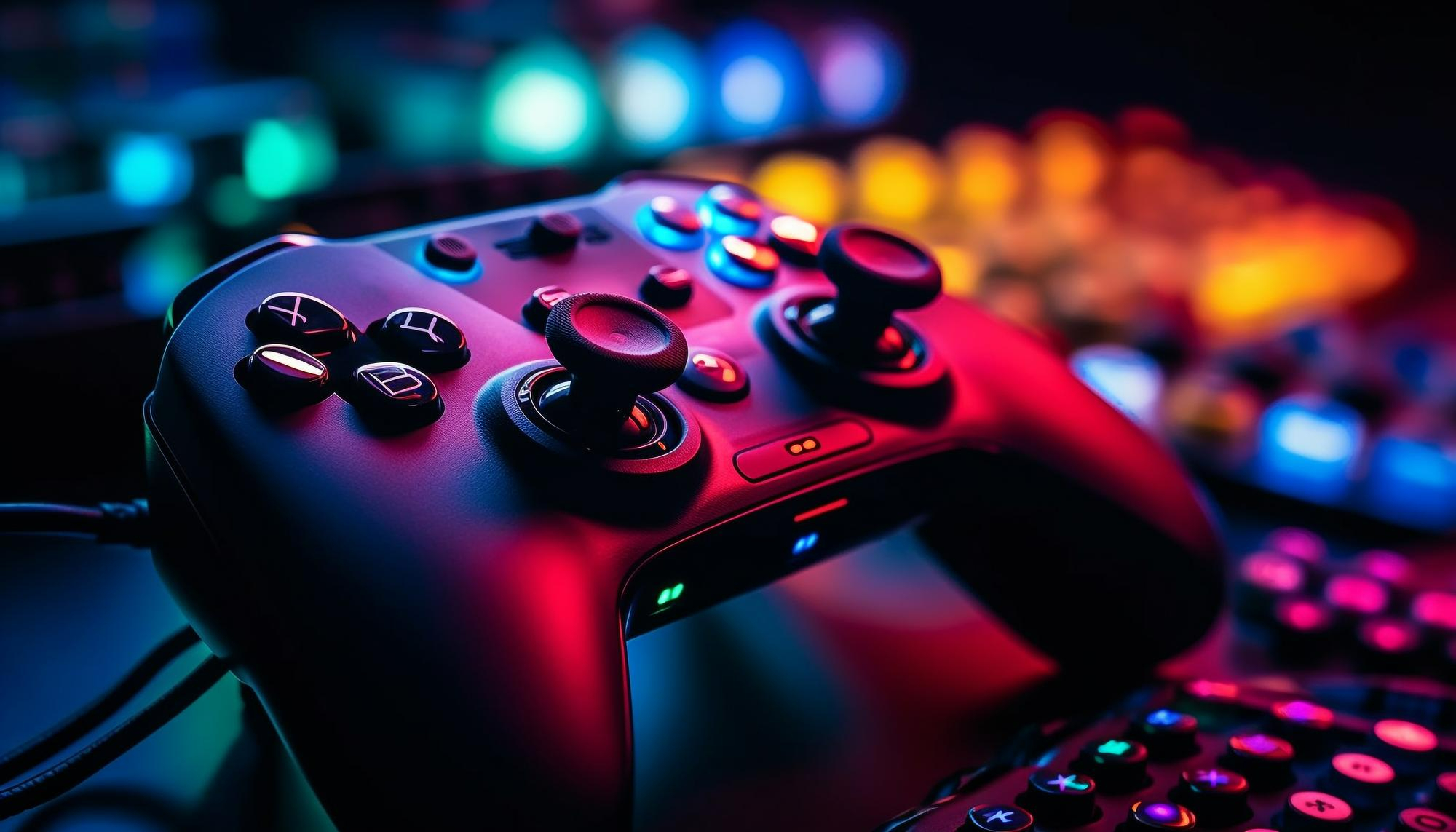
Ever feel like your eyes are doing the marathon while you're just trying to frag some noobs? You're glued to your gaming monitor for hours, but are you really considering the toll it takes on your vision? It's more crucial than you think!
Spending hours immersed in your favorite game can sometimes lead to discomfort. Sore eyes, headaches, and blurred vision are common complaints among gamers, often chalked up to "just being tired." Ignoring these signals can lead to long-term issues. We often push through, sacrificing our eye health for that next level or victory.
This article aims to guide you towards the optimal gaming monitor distance and screen positioning for promoting eye health. By understanding the science behind screen viewing and applying simple adjustments, you can significantly reduce eye strain and enjoy longer, more comfortable gaming sessions.
Finding the perfect gaming monitor distance and screen positioning is key to reducing eye strain. Consider the 20-20-20 rule, adjust your monitor height, and ensure adequate ambient lighting. These simple steps can make a world of difference in protecting your eye health while gaming. Prioritize your vision and game on comfortably!
The Arm's Length Rule and Beyond
I remember when I first started PC gaming, I'd practically be nose-to-screen, completely engrossed in the action. I was young and naive, convinced my eyes were invincible. Fast forward a few years, and after countless hours of staring at the screen, I started experiencing frequent headaches and blurry vision. It wasn't until a visit to the optometrist that I realized I was seriously straining my eyes due to poor monitor positioning. He suggested the "arm's length rule" - a simple guideline to keep the screen at roughly arm's length distance.
The arm's length rule suggests that your monitor should be approximately an arm's length away from your face. This distance is considered a good starting point because it allows your eyes to focus comfortably without excessive strain. However, the optimal distance can vary depending on your monitor size and resolution. A larger monitor might require a slightly greater viewing distance. The key is to find a distance where you can see the entire screen clearly without having to strain your eyes or neck. Beyond the arm's length rule, consider the size of your monitor. For a 27-inch monitor, aim for around 24-30 inches away. For larger ultrawide monitors, this distance might increase. Ultimately, comfort is paramount. Experiment with different distances until you find what works best for your eyes and minimizes strain. Eye strain can be significantly reduced by adjusting your monitor settings. Lowering brightness and color temperature, especially in a dark room, can ease the burden on your eyes. Gaming monitor, optimal distance, eye health, arm's length rule, screen positioning are all keys for happy healthy gaming.
Understanding Vertical Positioning and Tilt
Vertical positioning and tilt are often overlooked aspects of monitor setup, but they play a significant role in eye health. When your monitor is positioned too low or too high, your neck and eyes have to work harder to compensate, leading to strain and fatigue. Ideally, the top of your monitor screen should be at or slightly below eye level. This position allows you to look slightly downward at the screen, which is a more natural and comfortable viewing angle. Adjusting the tilt of your monitor is equally important. A slight upward tilt can help reduce glare and reflections, further improving visibility and reducing eye strain.
Proper vertical positioning and tilt are crucial for maintaining good posture and minimizing eye strain. The goal is to create a setup where your eyes can comfortably focus on the screen without unnecessary neck or eye movements. Experiment with different heights and tilts to find what feels most natural and comfortable for you. Remember that everyone is different, so what works for one person might not work for another. Pay attention to how your body feels and make adjustments as needed. Poor posture while gaming can exacerbate eye strain. Make sure you have a supportive chair that allows you to sit upright with good lumbar support. Maintaining good posture will help keep your neck and shoulders relaxed, reducing strain on your eyes. Vertical Positioning, Tilt, gaming monitor, optimal distance, eye health, arm's length rule, screen positioning, these are all tools to use for your optimal health.
The Myth of "Gaming Glasses" and Blue Light
There's a lot of buzz around "gaming glasses" that claim to filter blue light and reduce eye strain. While these glasses might offer some benefits, it's important to separate fact from fiction. Blue light, emitted by digital screens, has been linked to sleep disruption and eye strain. However, the amount of blue light emitted by monitors is relatively low compared to natural sunlight. While gaming glasses may reduce some blue light exposure, their effectiveness in preventing eye strain is still debated.
The truth is, the best way to combat eye strain is through proper monitor positioning, adequate lighting, and regular breaks. While blue light filtering software or glasses can be a supplemental measure, they shouldn't be relied upon as a primary solution. Focus on creating an ergonomically sound gaming setup and practicing good eye care habits. The history of "gaming glasses" is relatively recent, fueled by marketing claims and anecdotal evidence. While some users swear by them, scientific evidence supporting their effectiveness is limited. The myth that blue light is the sole cause of eye strain is also misleading. Eye strain is often a result of a combination of factors, including poor posture, improper monitor positioning, and prolonged screen time. Consider natural lighting, blue light, breaks, gaming monitor, optimal distance, eye health, arm's length rule, screen positioning, vertical positioning, tilt, gaming glasses.
The Ambient Lighting Factor
Ambient lighting plays a crucial role in reducing eye strain. Gaming in a completely dark room can put excessive strain on your eyes, as they have to work harder to adjust to the bright screen against a dark background. Ideally, you should have some ambient light in the room to reduce the contrast between the screen and the surrounding environment.
A soft, diffused light source behind your monitor can help balance the brightness and reduce eye fatigue. Avoid direct glare from windows or overhead lights, as this can also cause discomfort. Experiment with different lighting setups to find what works best for you. Consider using a desk lamp with adjustable brightness to customize the ambient light level. The hidden secret is that proper ambient lighting not only reduces eye strain but also improves your overall gaming experience. By creating a more balanced and comfortable visual environment, you can focus better and enjoy longer gaming sessions. Remember that the key is to minimize the contrast between the screen and the surrounding environment. Too much contrast can lead to eye fatigue, while too little contrast can make it difficult to see the screen clearly. Ambient lighting, proper setup, balance, screen, gaming monitor, optimal distance, eye health, arm's length rule, screen positioning, vertical positioning, tilt, gaming glasses.
Recommended Monitor Settings
Optimizing your monitor settings is crucial for reducing eye strain. Start by adjusting the brightness and contrast to a comfortable level. A good rule of thumb is to set the brightness so that the white areas of the screen aren't glaringly bright, and the black areas are truly black. Lowering the color temperature can also help reduce eye strain, especially in a dark room. Many monitors have a "low blue light" mode that reduces the amount of blue light emitted by the screen. Experiment with these settings to find what feels most comfortable for your eyes.
In addition to brightness, contrast, and color temperature, consider adjusting the refresh rate of your monitor. A higher refresh rate can reduce motion blur and improve overall visual clarity, which can also help reduce eye strain. Many gaming monitors offer refresh rates of 144Hz or higher. Make sure your graphics card is capable of supporting these higher refresh rates. I recommend that you make sure to experiment with different monitor settings to find what works best for your eyes and gaming preferences. There's no one-size-fits-all solution, so it's important to find what feels most comfortable for you. And remember, taking regular breaks is just as important as optimizing your monitor settings. Monitor settings, recommended, brightness, refresh rate, gaming monitor, optimal distance, eye health, arm's length rule, screen positioning, vertical positioning, tilt, gaming glasses.
The 20-20-20 Rule
The 20-20-20 rule is a simple yet effective technique for preventing eye strain. Every 20 minutes, take a 20-second break and focus on an object 20 feet away. This allows your eye muscles to relax and reduces the strain caused by prolonged screen viewing. It might seem like a small thing, but incorporating the 20-20-20 rule into your gaming routine can make a big difference in your eye health. Set a timer as a reminder to take these breaks, and make it a habit to look away from the screen regularly.
The science behind the 20-20-20 rule is based on the fact that prolonged close-up work can cause eye fatigue. When you focus on a screen for extended periods, your eye muscles have to work harder to maintain focus. Taking regular breaks allows these muscles to relax and recover. The 20-20-20 rule is not a replacement for proper monitor positioning and lighting, but it's a valuable tool for preventing eye strain. It's especially important for gamers, who often spend hours glued to their screens. Make the 20-20-20 rule and break your habit. This one rule can improve and extend your gaming experience. Regular breaks, relaxation, timer, gaming monitor, optimal distance, eye health, arm's length rule, screen positioning, vertical positioning, tilt, gaming glasses.
Tips for Long Gaming Sessions
Long gaming sessions can take a toll on your eyes, but there are several things you can do to minimize the strain. In addition to the 20-20-20 rule, make sure you blink frequently to keep your eyes lubricated. Dry eyes can exacerbate eye strain. Consider using artificial tears if you experience persistent dryness. Adjust your monitor brightness and contrast to a comfortable level, and ensure adequate ambient lighting in the room. Take longer breaks every hour to stretch your legs and relax your eyes. Staying hydrated is also important for overall eye health. Dehydration can lead to dry eyes and fatigue.
Another tip is to vary your activities during long gaming sessions. Instead of staring at the screen for hours on end, take short breaks to do something else, such as reading a book, listening to music, or going for a walk. This will give your eyes a break from the screen and help prevent fatigue. Avoid screens altogether during your breaks. Spend time focusing on nature or anything else outside of your digital world. These tips are all about mindful habits. This mindful adjustment to your gaming routine can benefit your gaming enjoyment. Tips, Breaks, stretching, hydration, gaming monitor, optimal distance, eye health, arm's length rule, screen positioning, vertical positioning, tilt, gaming glasses.
Ergonomic Considerations Beyond the Monitor
While monitor positioning is crucial, ergonomic considerations extend beyond the screen. Your chair, desk, keyboard, and mouse all play a role in your overall comfort and eye health. Make sure you have a supportive chair that allows you to sit upright with good lumbar support. Your desk should be at a height that allows you to keep your elbows at a 90-degree angle. Position your keyboard and mouse close to your body to avoid reaching or straining. Use a wrist rest to support your wrists and prevent carpal tunnel syndrome. A well-designed ergonomic setup can significantly reduce strain on your eyes, neck, and back.
Consider using a vertical mouse or ergonomic keyboard to further reduce strain on your wrists and hands. Take breaks to stretch your arms, shoulders, and neck. Poor posture can exacerbate eye strain, so it's important to maintain good posture throughout your gaming sessions. Invest in the right equipment. Don't rely on improvised or cheap options. A good ergonomic setup is an investment in your long-term health and well-being. Make adjustments often. The goal is to make your gaming setup as healthy as possible. Ergonomics, chair, desk, posture, gaming monitor, optimal distance, eye health, arm's length rule, screen positioning, vertical positioning, tilt, gaming glasses.
Fun Facts About Eye Strain
Did you know that the average person blinks about 15-20 times per minute? However, when we stare at a screen, our blink rate can decrease by as much as 50%. This can lead to dry eyes and eye strain. Another fun fact is that our eyes are constantly making small movements, even when we're trying to focus on a single point. These movements help prevent eye fatigue and keep our vision sharp. The human eye can distinguish about 10 million different colors. However, our ability to perceive color can be affected by factors such as lighting, age, and eye health.
The ciliary muscle in our eye is responsible for focusing on objects at different distances. When we stare at a screen for extended periods, this muscle can become fatigued, leading to blurred vision and eye strain. The cornea, the clear front part of our eye, is the only tissue in the human body that doesn't contain blood vessels. It receives oxygen directly from the air. Knowing these fun facts can help you appreciate the complexity and fragility of your eyes. Taking care of your eyes is essential for maintaining good vision and preventing eye strain. Our eyes are a vital part of our body that requires consistent and mindful care. Fun fact, blinking, eyes, gaming monitor, optimal distance, eye health, arm's length rule, screen positioning, vertical positioning, tilt, gaming glasses.
How to Measure Your Optimal Gaming Monitor Distance
Measuring your optimal gaming monitor distance involves a simple process. Start by sitting comfortably in your gaming chair, with your back straight and your feet flat on the floor. Use a measuring tape to determine the distance from your eyes to the screen. Aim for a distance that's approximately an arm's length away, but adjust as needed based on your monitor size and resolution. A larger monitor will require a greater viewing distance. The key is to find a distance where you can see the entire screen clearly without having to strain your eyes or neck.
Once you've found a comfortable distance, make sure your monitor is positioned at the correct height and tilt. The top of your monitor screen should be at or slightly below eye level. A slight upward tilt can help reduce glare and reflections. Finally, test your setup by playing your favorite game for a few minutes. Pay attention to how your eyes feel. If you experience any strain or discomfort, make further adjustments to your monitor distance and positioning. Remember that everyone is different. There is not one size fits all rule. The most important thing is to listen to your body and find what works best for you. Comfort is key. Experimentation is a must. Monitor distance, measuring, adjustment, gaming monitor, optimal distance, eye health, arm's length rule, screen positioning, vertical positioning, tilt, gaming glasses.
What If I Ignore These Recommendations?
Ignoring recommendations for optimal gaming monitor distance and screen positioning can lead to several potential health problems. Prolonged eye strain can result in headaches, blurred vision, dry eyes, and fatigue. These symptoms can significantly impact your gaming performance and overall quality of life. In the long term, chronic eye strain can increase your risk of developing more serious eye conditions, such as nearsightedness (myopia) or astigmatism. Poor posture, caused by improper monitor positioning, can lead to neck pain, back pain, and shoulder pain. These issues can become chronic and debilitating over time.
Investing in a proper gaming setup and following ergonomic guidelines is an investment in your long-term health and well-being. Don't sacrifice your health for the sake of gaming. Take the time to create a comfortable and safe gaming environment. Ignoring these recommendations has long term consequences. Eye health, posture, pain, gaming monitor, optimal distance, eye health, arm's length rule, screen positioning, vertical positioning, tilt, gaming glasses.
Top 5 Benefits of Optimal Gaming Monitor Distance
Here are five key benefits of maintaining the right distance from your screen while gaming:
- Reduced Eye Strain: By positioning your monitor at the correct distance, you lessen the workload on your eye muscles, decreasing strain and fatigue.
- Improved Visual Clarity: An optimal distance ensures that the entire screen is visible and sharp, enhancing your gaming experience.
- Better Posture: When your screen is correctly placed, you maintain a more natural and comfortable posture, preventing neck and back pain.
- Enhanced Gaming Performance: Less discomfort and clearer vision translate to better focus and quicker reaction times in your games.
- Long-Term Eye Health: Adopting these habits protects your vision, reducing the risk of developing eye-related issues in the future.
Benefits such as reducing eye strain, improving visual clarity, better posture, enhanced gaming performance, long-term eye health. These are all important parts of gaming that many players forget about when creating a great gaming experience. Making sure to balance all things is very important. Listicle, top 5, benefits, gaming monitor, optimal distance, eye health, arm's length rule, screen positioning, vertical positioning, tilt, gaming glasses.
Questions and Answers about Gaming Monitor Distance
Q: What is the ideal distance between my eyes and my gaming monitor?
A: The ideal distance is generally arm's length, but adjust based on your monitor size. Larger monitors may require more distance.
Q: How high should my gaming monitor be?
A: The top of the monitor should be at or slightly below eye level to reduce neck strain.
Q: Does blue light from monitors really damage my eyes?
A: While blue light can contribute to eye strain, proper setup and breaks are more crucial. Blue light filters can be a supplemental measure.
Q: How often should I take breaks during long gaming sessions?
A: Use the 20-20-20 rule: every 20 minutes, look at something 20 feet away for 20 seconds.
Conclusion of Gaming Monitor Distance: Optimal Screen Positioning for Eye Health
Finding the sweet spot for your gaming monitor distance and screen positioning is more than just about comfort; it's an investment in your long-term eye health and gaming enjoyment. By following the guidelines discussed, incorporating regular breaks, and making small adjustments to your setup, you can significantly reduce eye strain and create a more comfortable and immersive gaming experience. Remember, healthy eyes lead to better gameplay! So take the time to optimize your setup and game on!
Post a Comment